
Diferența cheie dintre csaudonurile de corecție OM3 și OM4 constă în lățimea de bandă și distanța de transmisie: OM4 oferă o lățime de bandă modală efectivă (EMB) de 4700 MHz·km — mai mult decât dublu față de 2000 MHz·km ale OM3 —...
Citiți mai multe


 Anchetă
Căutare produs
Limba
Produs
- Soluție ODN pre-conectorizată
- Conector rapid pentru fibră optică
- Splitter PLC cu fibră optică
-
Cordon de corecție cu fibră optică
- Cordon de corecție cu fibră optică seria SC
- Cordon de corecție cu fibră optică din seria LC
- Cordon de corecție cu fibră optică seria FC
- Cordon de corecție cu fibră optică din seria ST
- OM1/2 Cordon de corecție cu fibră optică
- Cordon de corecție cu fibră optică OM3
- Cordon de corecție cu fibră optică OM4
- Cordon de corecție cu fibră optică din seria blindată
- Cordon de corecție cu fibră optică seria E2000
- Cordon de corecție cu fibră optică
- Cordon de corecție cu fibră optică în 12 culori
-
Cablu fibră optică
- Cutie de distribuție cu fibră optică
- Închidere de îmbinare cu fibră optică
-
Cutie terminală fibră optică
-
Cadru de distribuție cu fibră optică ODF
- Accesorii pentru fibra optica
- Echipamente și instrumente de fibră optică
contact
OTDR
Echipamentul pentru fibră optică OTDR este un dispozitiv profesional utilizat pentru testarea și depanarea rețelelor de fibră optică.
Măsurare și poziționare precise: Echipamentul de fibră optică OTDR poate măsura cu precizie lungimea, pierderea, evenimentele de reflexie și locația punctelor de defect ale legăturilor de fibră optică prin injectarea de impulsuri luminoase și analizând semnalele retroîmprăștiate și reflectate în fibra optică. Aceste caracteristici îl fac un instrument cheie pentru a asigura fiabilitatea și performanța rețelelor de fibră optică.
-
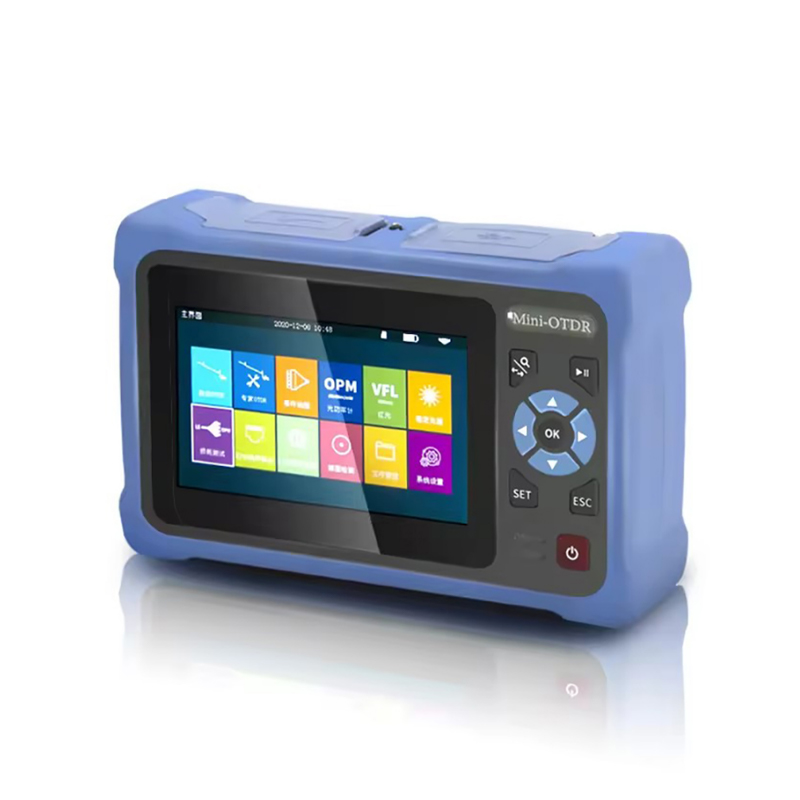

NK4000D
Seria NK4000 OTDR adoptă un ecran tactil capacitiv de 4,3 inchi. Acesta integrează 12 funcții,
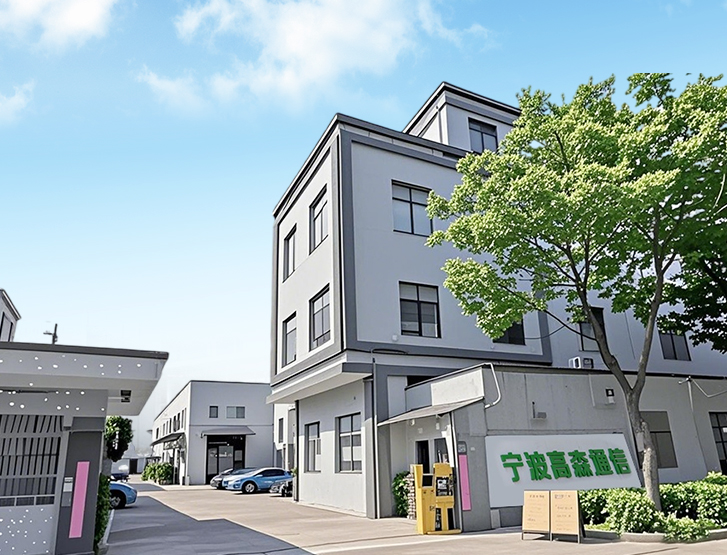
DESPRE NOI
Ningbo Goshining Communication Technology Co., Ltd. este o întreprindere care proiectează, produce și vinde o gamă completă de produse din fibră optică cu servicii de înaltă calitate și de primă clasă, care ne permit să îndeplinim cerințele tuturor clienților și să oferim un serviciu unic. Produsele noastre includ conector rapid de fibră optică, cordon de corecție, splitter PLC, cabluri, cutie de distribuție, închidere de îmbinare și cutie terminală etc. Oferim, de asemenea, servicii de personalizare pentru a vă ajuta să vă dezvoltați propriul brand.
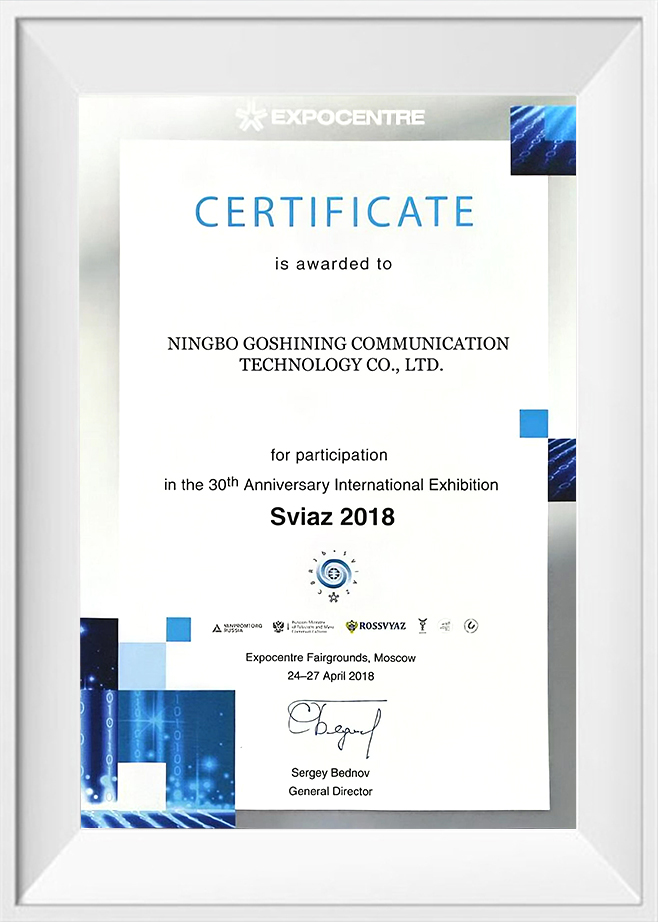
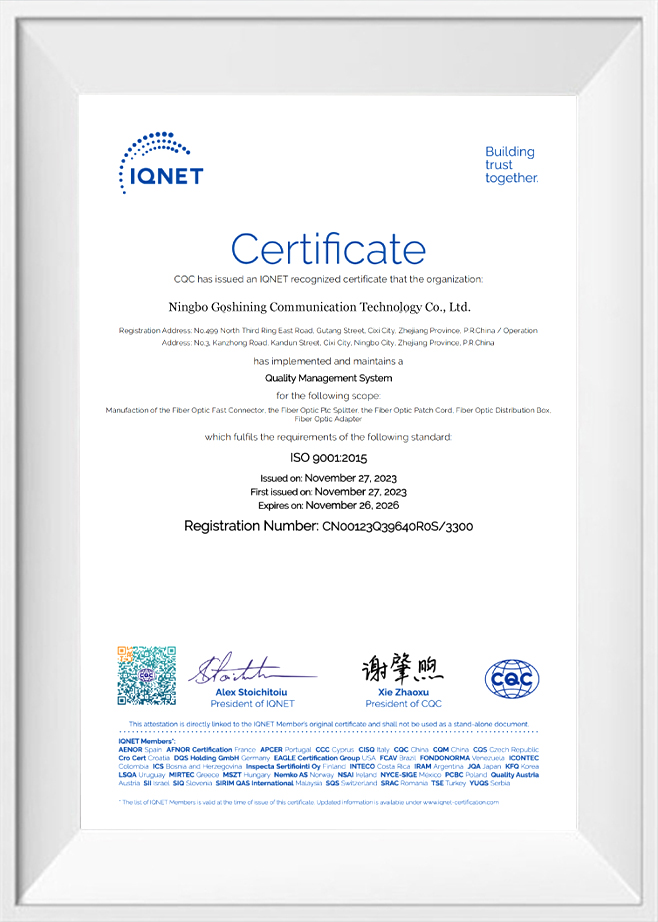
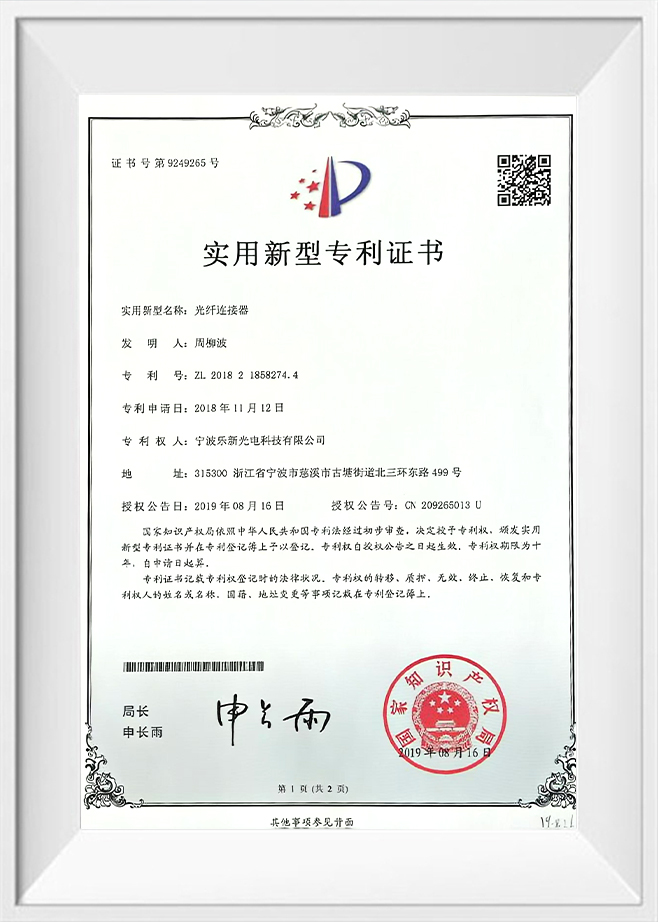
Certificat
Știri
-
Mar 13, 2026_Goshining
-
Mar 06, 2026_GoshiningAlegerea corectă a închiderii de îmbinare cu fibră optică se reduce la patru factori de bază: mediul de instalare, configurația intrării cablurilor, capacitatea de numărare a fibrelor și metoda de etanșare . Faceți-le corec...Citiți mai multe
-
Feb 28, 2026_GoshiningCabluri de fibră optică , ca o componentă cheie a sistemelor moderne de comunicații, sunt utilizate pe scară largă în diverse domenii datorită lățimii de bandă mari, transmisiei pe distanțe lungi și rezistenței la interferen...Citiți mai multe
OTDR Industry knowledge
Mecanismul de lucru al OTDR is similar to that of radar system, and it realizes fiber link diagnosis through precise optical time domain analysis:
Pulse emission system: OTDR has a built-in high-stable laser source, which emits narrow light pulses of specific wavelength. The pulse energy can reach 100mW, the width determines the test distance resolution, and the repetition frequency (1kHz-50kHz) affects the measurement speed. The intelligent pulse control system can automatically optimize the parameter combination according to the test distance.
Backscattering analysis: When the light pulse is transmitted in the optical fiber, Rayleigh scattering (about 0.0001% of the total optical power) will be generated, and some photons (about -50dB to -80dB) will return along the original path. OTDR captures these weak signals through a highly sensitive APD detector and accurately records their return time and intensity. The intensity of scattered light is proportional to the attenuation coefficient of the optical fiber, and the loss between any two points can be calculated by analyzing the slope of the scattering curve.
Reflection event detection: When the light pulse encounters a connector, mechanical joint or optical fiber end face, a strong Fresnel reflection (more than 1000 times stronger than scattering) will be generated. By identifying these reflection peaks (dynamic range up to 45dB), the OTDR can accurately locate the positions of various event points (accuracy ±0.5 meters) and calculate their reflection losses (accuracy ±0.1dB). Special algorithms can distinguish the different characteristics of active connectors (strong reflection) and fusion points (no reflection).
Intelligent data processing: Modern OTDR uses digital signal processing technology to improve the signal-to-noise ratio through multiple averaging. Machine learning algorithms can automatically identify more than 20 typical event types (such as bending loss, water peak attenuation, etc.) and generate professional test reports. The multi-wavelength test function (dual-wavelength or three-wavelength synchronization) can comprehensively evaluate the dispersion characteristics and wavelength-dependent attenuation of optical fibers.
intra Atingeți

No.255 Lianfei Road, KandunIndustrial Park, Cixi City, ZhejiangProvince, China
Centru de produse
- Soluție ODN pre-conectorizată
- Conector rapid pentru fibră optică
- Splitter PLC cu fibră optică
- Cordon de corecție cu fibră optică
- Cablu fibră optică
- Cutie de distribuție cu fibră optică
- Închidere de îmbinare cu fibră optică
- Cutie terminală fibră optică
- Cadru de distribuție cu fibră optică ODF
- Accesorii pentru fibra optica
- Echipamente și instrumente de fibră optică
detalii de contact
-
Email: [email protected]
-
Tel: +86 18367407397
Mobil
Drepturi de autor © Ningbo Goshining Communication Technology Co., Ltd.
